A humanitarian crisis with a major educational impact
The recent clashes have not only led to massive population displacements and the destruction of infrastructure, but have also undermined the fundamental right to education. Several schools in border areas have been closed or damaged, depriving thousands of children of access to learning. To date, 488 schools have been closed for security reasons in the provinces worst affected.
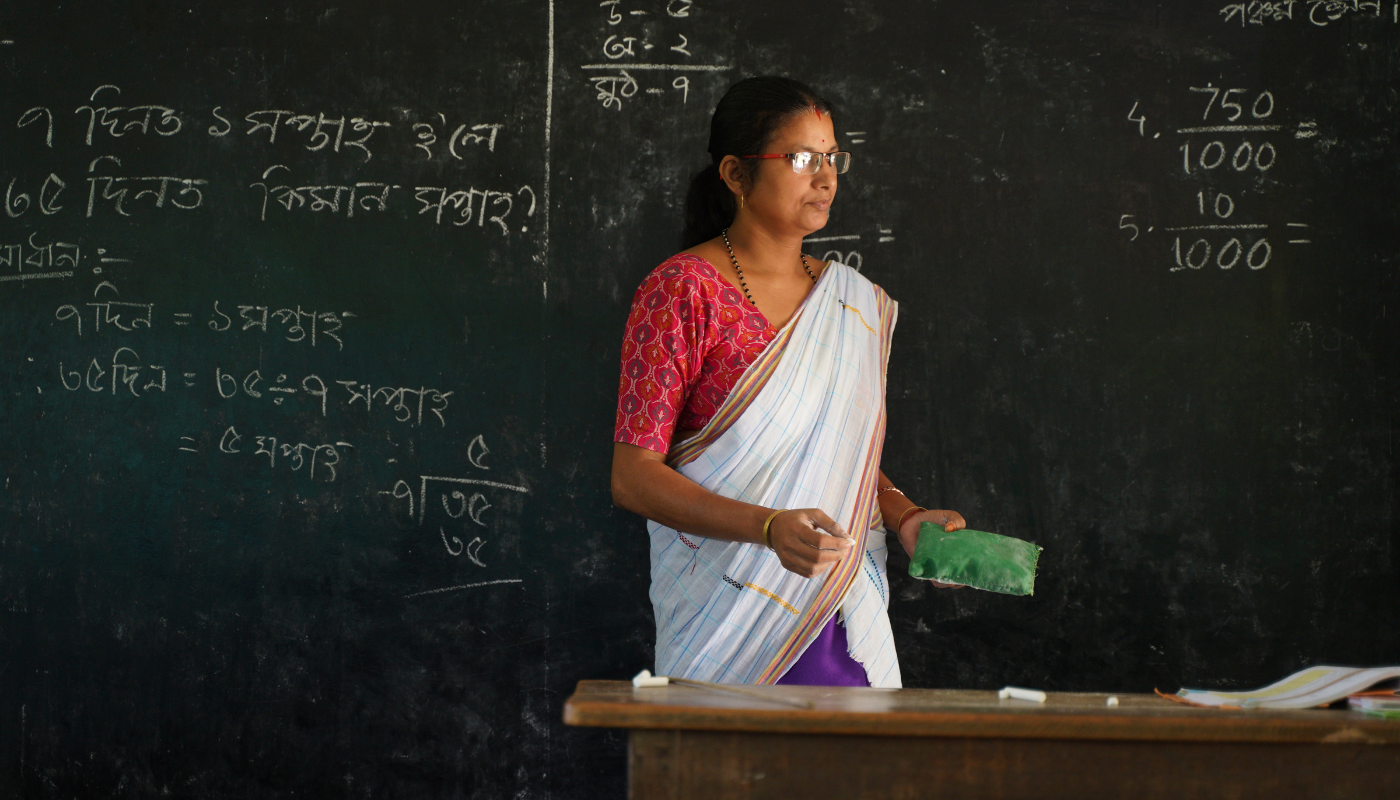
Teachers, who are often displaced or in a state of shock themselves, are struggling to maintain continuity in their teaching. Many displaced families find themselves without resources, deprived of access to education for their children, with day-to-day survival taking precedence over any other priority. This situation accentuates the already profound inequalities in Cambodia's rural and marginalised regions.

Samphors Vorn, Country Director, provides humanitarian aid to children displaced by the conflict, with a particular focus on emergency education.
Children, the invisible and silent victims of conflict
The conflict has not only interrupted education: it has exposed children to serious physical and psychological dangers. Separated from their families, witnessing violence, deprived of access to healthcare, drinking water and security, children face an increased risk of malnutrition, infectious diseases and long-term trauma. In crisis situations, both boys and girls are even more vulnerable to forced labour, early marriage and exploitation.
Action Education / Aide et Action Cambodge sounds the alarm: in an emergency context, protecting children and guaranteeing access to inclusive and safe education must be an immediate priority.
In the camps, the situation remains tense, marked by anxiety and insecurity. But for the children, it is above all the invisible losses that weigh heavily: absence of routine, loss of reference points, interruption of their education.
"Growing up in fear, deprived of access to school and basic needs, leaves lasting emotional scars," says Samphors Vorn, Cambodia Director.
Responding to the crisis with an emergency educational response
Education cannot wait. To prevent an entire generation from being sacrificed, it is essential to put in place alternative solutions without delay: temporary schools in areas of displacement, appropriate teaching resources, training for teachers in trauma management and the inclusion of marginalised children in remedial programmes.
Action Education is also calling for education to be better integrated into national and international humanitarian responses. Today, less than 3 % of global humanitarian aid is devoted to education. This is an unacceptable situation, given the lasting impact that a few months of disrupted education can have.

In Pursat, in a camp for displaced persons, our emergency response focuses on creating learning spaces and providing books to help children regain a sense of normality despite the conflict.
Reacting quickly to rebuild hope
Our teams on the ground quickly distributed educational kits and basic supplies. Over and above the equipment, it's a a reassuring presence a sign that life can begin again. This mission is made possible by the commitment of our partners, who support emergency education. Together, we are creating safe spaces where children can relearn, rebuild their lives and regain their confidence.
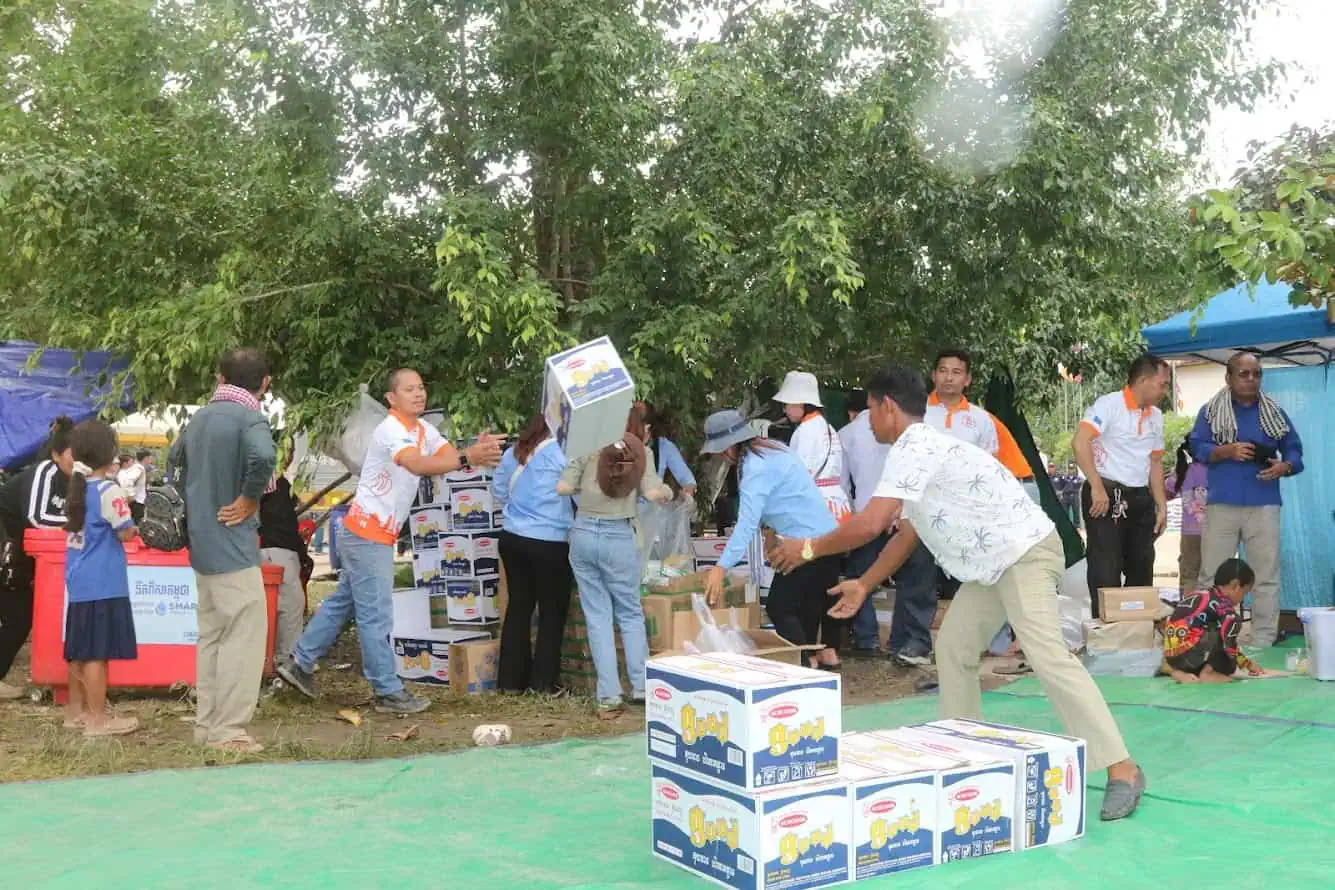
A race against time. Although the ceasefire was put in place on the night of 28-29 July, our teams had already arrived in the IDP camps on the morning of 30 July.
Call to action: rebuilding with and for communities
The ceasefire offers a decisive window of opportunity. To seize it, we call on :
-
Respecting and monitoring the ceasefire, to guarantee the safety of civilians and prevent any return to violence;
-
Strengthening humanitarian aid, focusing on food, care, shelter and psychosocial support, particularly for women and children;
-
Protecting civil and cultural infrastructure, including schools, hospitals and the Preah Vihear temple, a World Heritage Site;
-
The establishment of independent investigations into potential violations of international humanitarian law;
-
Sustainable support for educational recovery, with specific funding for school rehabilitation, training for educational staff and the development of inclusive programmes.
A future rebuilt around education
This ceasefire marks a turning point, but the real challenge begins now. It is essential to place children and education at the heart of reconstruction and reconciliation efforts. Action Education Cambodia continues to work alongside local communities, humanitarian partners and the authorities to rebuild education systems that are resilient, inclusive and protective.