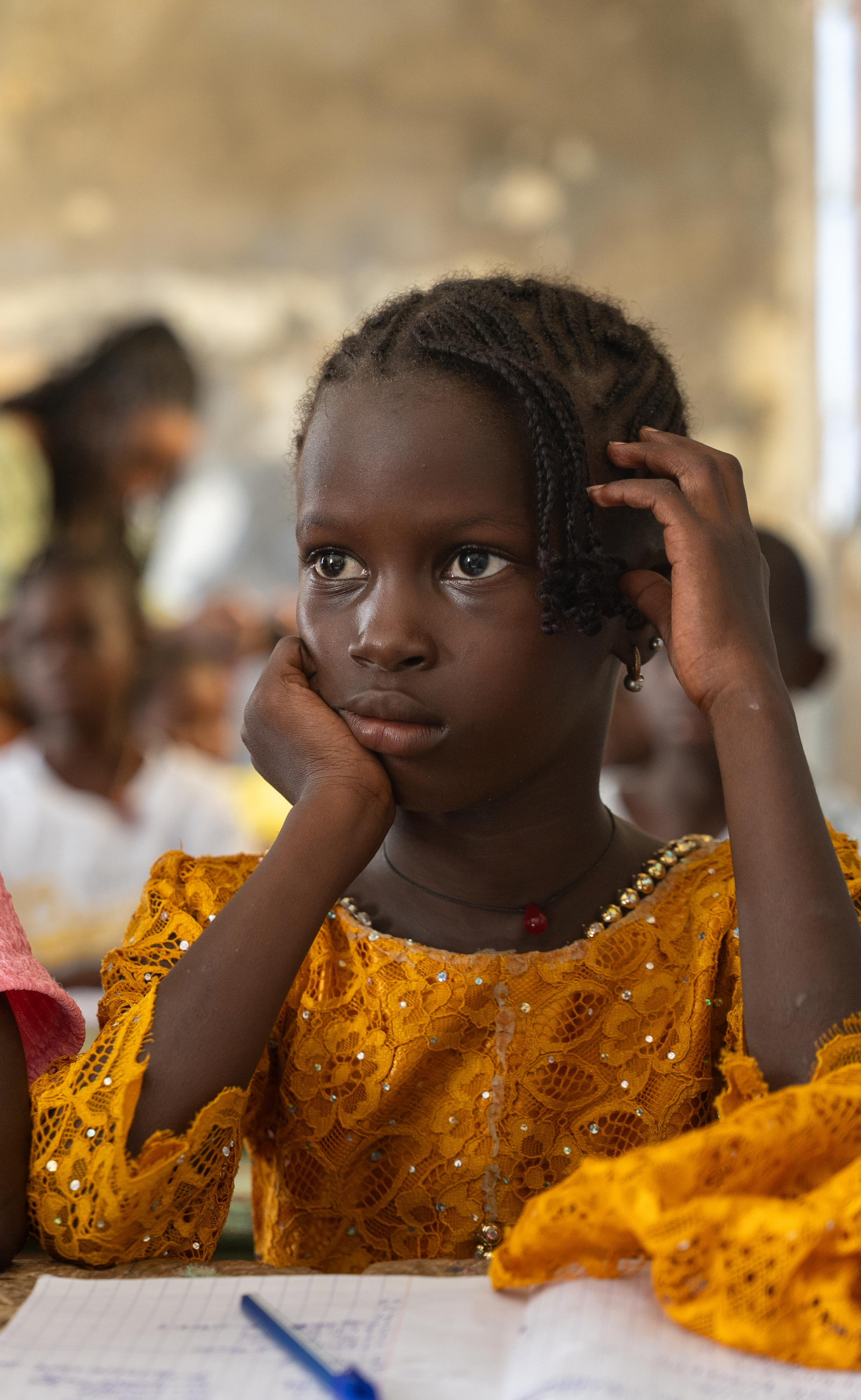
The consequences of climate change are being felt all over the world and are hitting the most vulnerable populations hardest. Droughts, floods, rising sea levels, food insecurity, forced migration… Countries in Africa and Asia, despite being among those least responsible for greenhouse gas emissions, are bearing the brunt of these effects.
In the face of this global crisis, responses often remain technical and political. Yet one lever is still greatly underestimated: education.
Education involves not only imparting knowledge and skills, but also developing critical thinking and the ability to adapt and innovate in the face of challenges. In the current climate context, Education is becoming a key factor in protection and resilience : it enables children, young people and communities to understand environmental risks, adopt responsible behaviour and develop responses tailored to their local area.
To find out more about Action Education’s comprehensive approach to this topic, please also see our feature: Education on climate change and environmental protection: how schools help communities tackle environmental challenges.
Key points:
-
Climate change poses a direct threat to access to education: destroyed buildings, cut-off roads, population displacement and food insecurity.
-
In 2024, at least 242 million pupils in 85 countries had their schooling disrupted by extreme weather events.
-
Education helps communities to understand risks, anticipate crises, protect resources and adapt to changes in their environment.
-
Girls and women are particularly vulnerable to climate crises, but they are also key players in adaptation.
- Action Education develops projects relating to climate and the environment in Africa and Asia, notably in Cambodia, Laos, Senegal, Vietnam and India.
The climate emergency: dramatic consequences for education
Before we even consider education as a response to climate change, we must remember that it is also one of its first victims.
According to UNICEF, at least The education of 242 million pupils was disrupted by climate crises in 2024. These crises have a disproportionate impact on the most vulnerable communities: schools destroyed or rendered inaccessible, forced displacement, food insecurity, absenteeism, children dropping out of school, and a rise in child labour to make up for families’ economic losses.
Climate-related disasters abruptly interrupt the school cycle and reduce the likelihood of return to school. The regions of the world most vulnerable to the effects of climate change — notably sub-Saharan Africa, South Asia and South-East Asia — are often also those where access to quality education remains most precarious.
The lack of access to schooling deprives communities of valuable tools for understanding climate issues, anticipating risks and adopting effective adaptation strategies.
See also: When climate change prevents children from going to school.
Girls, who are particularly vulnerable to climate crises
Girls are particularly vulnerable. In crisis situations, they are often the first to leave school and those most at risk of gender-based violence during and after disasters.
When water becomes scarce, harvests decline or household incomes fall, girls may be called upon more frequently to carry out domestic chores, fetch water, help around the home or take on informal work. The risk of dropping out of school, early marriage or economic dependence is on the rise.
But girls and women must not be viewed solely as victims. When they have access to education, training and decision-making forums, they play a crucial role in helping communities adapt: water management, food security, child protection, the passing on of knowledge, and community organisation.
See also: Girls and women facing the climate crisis: why education makes all the difference.
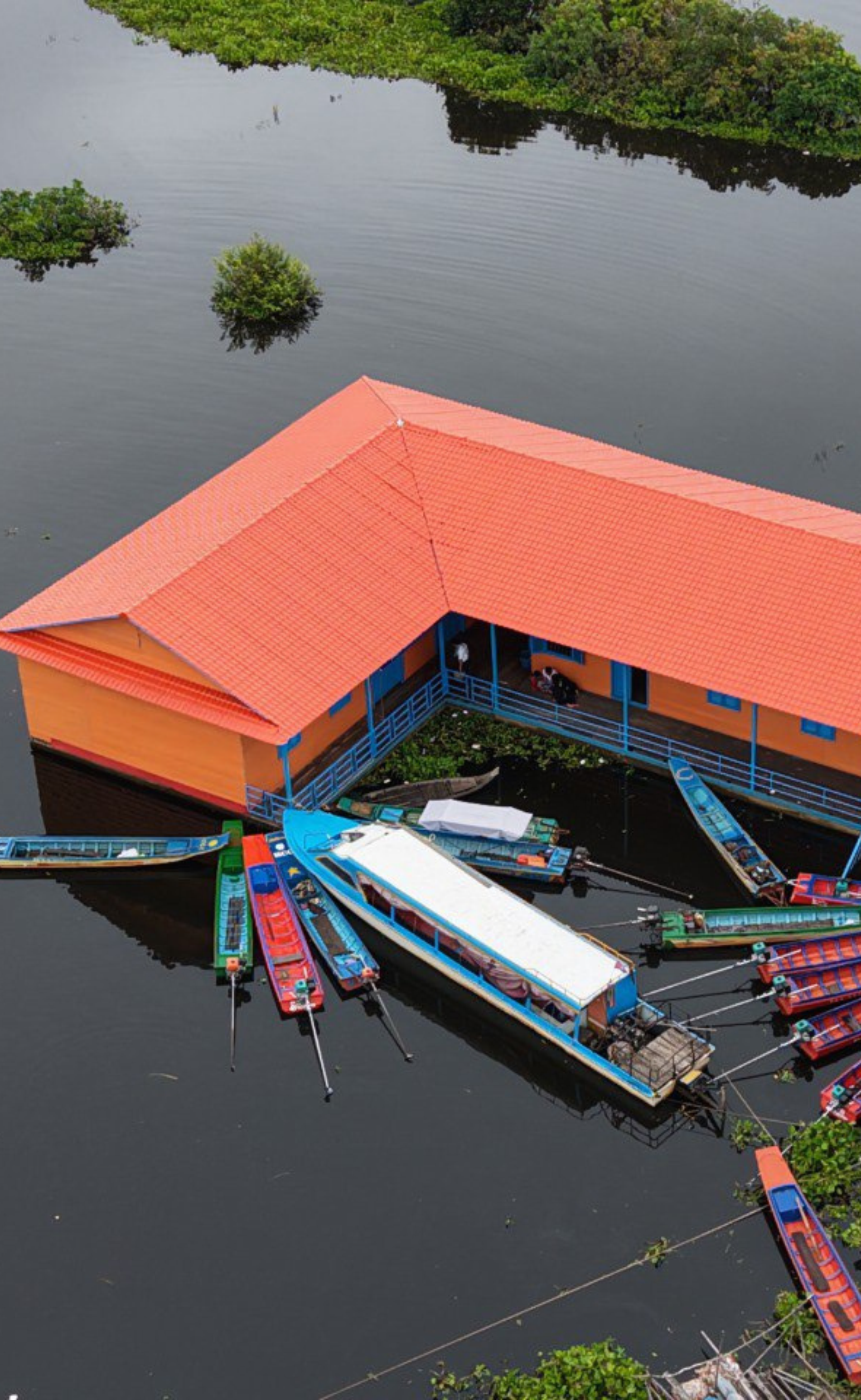
When the climate crisis calls for an urgent response
Action Education is often called upon to organise emergency aid to support the communities involved in the projects it supports.
This was the case in Vietnam in 2024, following the passage of Typhoon Yagi, one of the most violent storms the country has experienced in 30 years. In the wake of this disaster, the charity sprang into action to provide emergency support to local communities.
In the face of the climate crisis, schools play a role that goes beyond learning. They can become a place of protection, a point of reference, a source of social connection and continuity for children. Maintaining or swiftly restoring access to education helps prevent the crisis from leading to long-term school drop-out.
Education, a strategic lever in the face of climate change
Faced with this complex reality, education is proving to be a powerful lever for change. Beyond technical skills, education boosts adaptability by encouraging creative thinking and problem-solving.
By developing knowledge and understanding of environmental issues, education enables people to analyse information, distinguish facts from misinformation and make informed decisions to protect themselves and their environment.
Faced with an unprecedented situation, a person who has benefited from a quality education will be better able to devise new solutions, innovate and organise themselves collectively to tackle challenges.
More resilient schools to protect children
A robust education system is a factor in resilience. In times of crisis, schools that are open, safe and tailored to local needs provide a space for protection, educational continuity and the imparting of useful knowledge.
This involves considering schools within their wider environment: buildings constructed in less exposed areas, access to safe drinking water, sanitation, separate latrines for girls and boys, waste management, suitable learning spaces, risk preparedness and community involvement.
As part of its projects, Action Education promotes the development of schools and resource centres dedicated to environmental protection. These facilities are built in areas not prone to flooding and to earthquake-resistant standards. They are designed to meet children’s needs: access to drinking water, a sanitation system, separate latrines for girls and boys, a waste sorting system and rubbish collection.
Learning to take action: school gardens, water, food, local resources
Education is not just about adaptation. It also plays a key role in reducing vulnerabilities and encouraging more sustainable behaviour in everyday life.
From a very young age, school can to raise children’s awareness of environmental issues :
- protection of biodiversity,
- resource management,
- the fight against pollution,
- water conservation,
- food,
- sustainable agriculture,
- waste recycling
- or renewable energy.
Action Education therefore promotes, in its projects aimed at fostering greater respect for the environment. The charity regularly visits schools to raise children’s awareness of the importance of environmental protection and to involve them in practical initiatives.
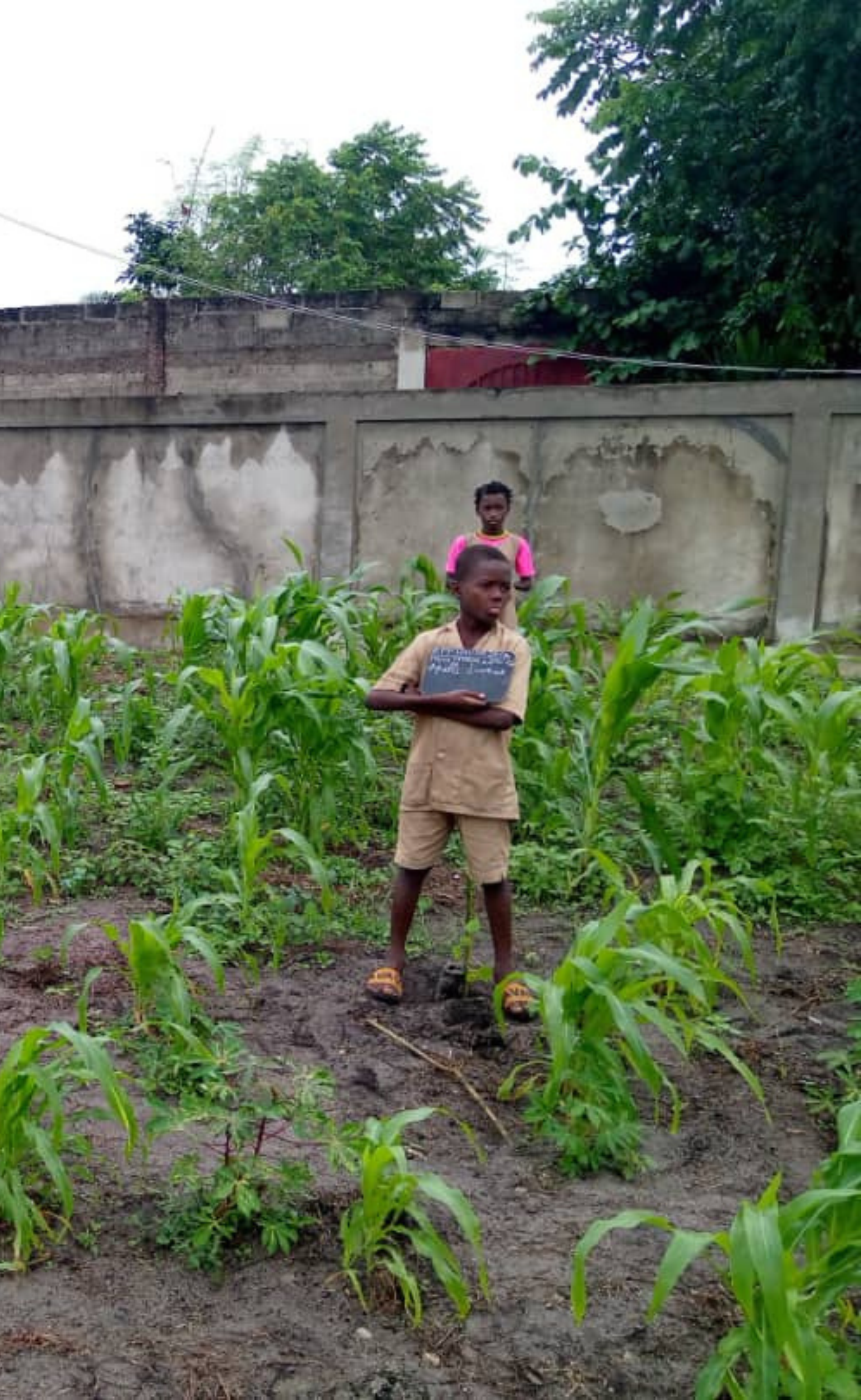
For several years now, we have been developing school garden initiatives. These gardens are designed to help diversify children’s diets.
This is particularly the case in nursery and primary schools in Laos, where vegetable gardens enable communities to improve the nutritional value of school meals and raise awareness of the importance of the environment.
See also: School gardens, water, food: learning by looking after the environment.
Why school gardens are useful
School gardens offer a different way of learning. Children observe how plants grow, understand the role of water, discover dietary diversity, help to look after a shared space and see the direct link between the environment, health and learning.
They can also strengthen communication with families. What a child learns at school can then be built upon at home or within the community:
- to farm more effectively,
- to conserve water more effectively,
- to vary one’s diet,
- to reduce waste,
- protect the soil.
Providing training in green jobs and supporting sustainable livelihoods
Vocational training paves the way for the acquisition of practical skills to adapt to new economic realities linked to climate change.
As well as the climate and sustainable development education programmes run in primary schools, Action Education also promotes the development of green jobs.
We therefore support the use of bamboo, a genuine alternative to more polluting raw materials that is still far too widely overlooked. In India, in the state of Odisha, a project is enabling women to develop a profitable and sustainable business based on bamboo craftsmanship. This initiative plays a part in creating sustainable livelihoods.
The main advantages of bamboo
- Bamboo grows quickly and can be harvested sustainably.
- It can be used as a substitute for certain more polluting materials in crafts, construction or everyday objects.
- It helps to develop local economic activities.
- It can help promote the independence of women trained in technical and entrepreneurial skills.
- It combines environmental protection, vocational training and sustainable incomes.

Projects to mitigate the effects of climate change and adapt to it
Since 2020, Action Education has been developing programmes in the countries where it operates, aimed at to limit the effects of climate change and to adapt to them.
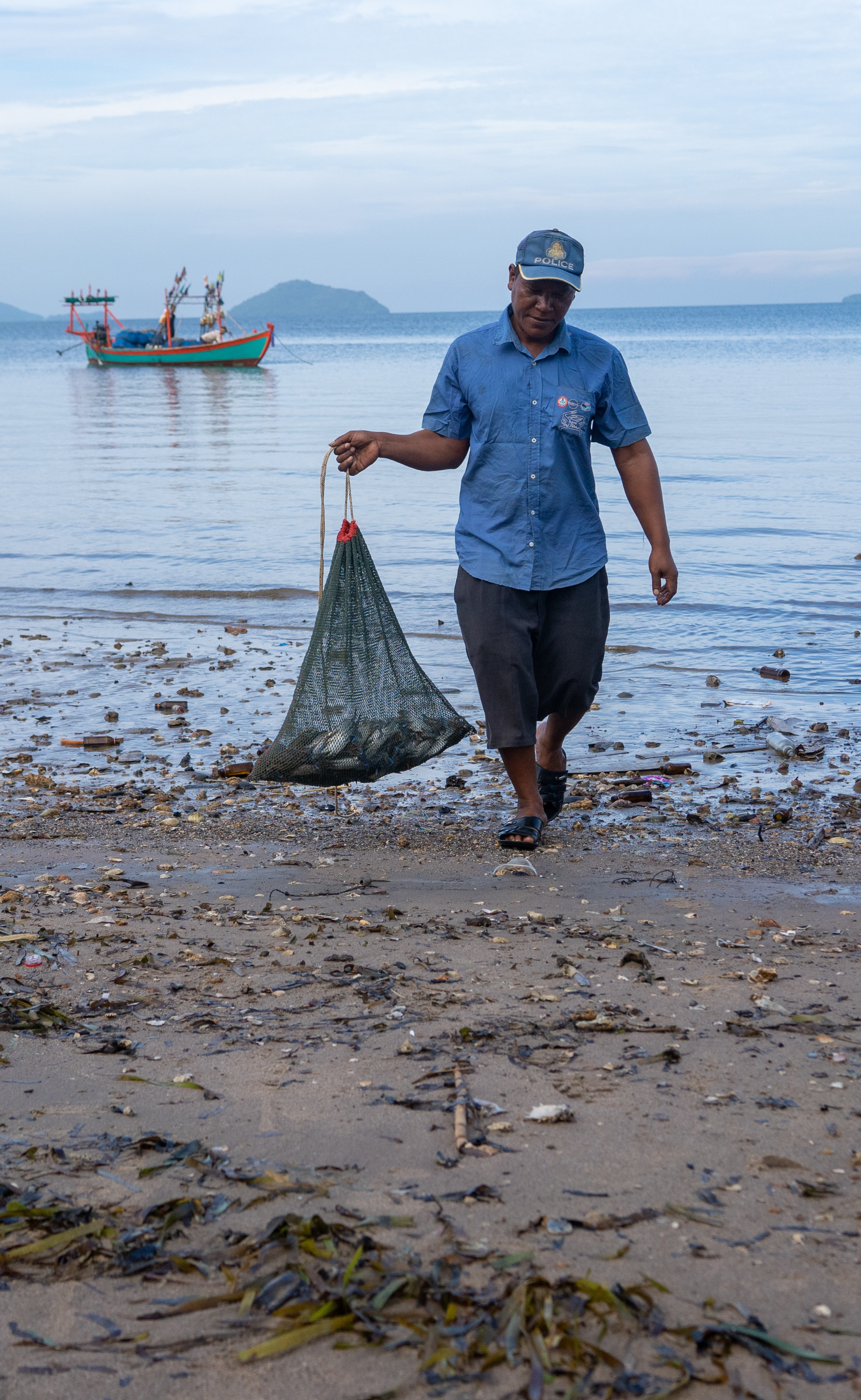
In Cambodia, many communities are facing a decline in fish stocks. The CO-SAVED project aims to make members of community fisheries economically self-sufficient, in particular by diversifying their activities, such as ecotourism.
This type of project demonstrates that climate change education is not limited to theoretical learning. It brings together schools, families, local authorities, civil society organisations and communities to develop practical solutions:
- protection of ecosystems,
- adaptation of economic activities,
- skills development
- and a change in practices.
Action Education also carries out advocacy work, in particular with the Education Coalition, to step up the the role of education in adapting to climate change. We call for education to be integrated into climate finance, policies and agreements, in order to ensure strong and resilient education systems.
See also: Our projects to promote education on climate change and environmental protection in Africa and Asia.
The road to sustainable development
Education promotes a a change in attitudes and encourages the adoption of more sustainable behaviours. It enables the transfer of practical knowledge on sustainable agricultural practices, water management, waste recycling, renewable energy and the protection of ecosystems.
Incorporating education for sustainable development into school curricula makes it possible to to educate citizens who are aware of their impact on the planet and capable of acting responsibly.
But this education must remain linked to local circumstances. A coastal community facing erosion does not have the same needs as a village vulnerable to drought, a school at risk from flooding, or an area where young people need to find new economic opportunities.
Take action with Action Education
The climate emergency requires comprehensive and concerted action, in which education is not an option. At Action Education, we are convinced that it is by investing in education – particularly that of women, girls and children – that we will be able to build a long-term resilience in the face of the challenges posed by climate change.
Support Action Education, It means contributing to projects that improve access to education, protect the environment, empower communities and help children build a more secure future for themselves.
Frequently asked questions about education and climate change
Why does climate change pose a threat to education?
Climate change threatens education by destroying schools, making certain journeys dangerous, causing population displacement, exacerbating food insecurity and undermining family incomes. These crises can lead to absenteeism, school drop-out or pupils leaving school early.
Why is school important in times of climate crisis?
In times of crisis, school can remain a place of safety, stability and continuity for children. It also provides a means of sharing useful information on safety, water, hygiene, health, nutrition and risk prevention.
Where does Action Education get its resources from?
The majority of Action Education's resources come from the generosity of the public. For more information, please visit The essence of Action Education.
How are the resources collected used?
The principle of Action Education is to pool donations across all missions so that we can intervene according to the real needs of each project.
What projects is Action Education carrying out in relation to climate and the environment?
Action Education runs projects in Africa and Asia focusing on climate education, school gardens, access to water, dietary diversification, green jobs, ecosystem protection and community resilience.
How does education help us tackle climate change?
Education helps communities to understand risks, prepare for disasters, protect local resources, adapt their practices and organise themselves collectively. It strengthens the resilience of children, young people and communities.
What is the link between environmental education and sustainable development?
Environmental education helps us to understand the links between human activities, natural resources and living conditions. It encourages practical actions such as conserving water, protecting soil, reducing waste, developing school gardens and adopting more sustainable farming practices.
Does Action Education work with the states in which it operates?
Action Education supports actors in its areas of intervention so that they are able to decide, elaborate, implement and evaluate their own development projects.
In this context, it maintains a close dialogue with the State and considers it as an indispensable interlocutor with whom it plays a facilitating role. Action Education respects the sovereignty of the state as the guarantor of education policy.
However, in order to accompany it, the association reserves the right to have a positive criticism on the educational policies carried out. As a facilitator, Action Education provides the State with methods, techniques and tools to enable it to make relevant decisions and to promote the implementation of appropriate educational policies.
Is it possible to talk about Action Education on my website or blog?
Thank you for your commitment to the cause of education. Would you like to talk about our association, our projects, our actions? Do not hesitate to let us know your wishes by contacting us by e-mail at the following address [email protected].