Support for girls' primary and post-primary education in central-west Burkina Faso
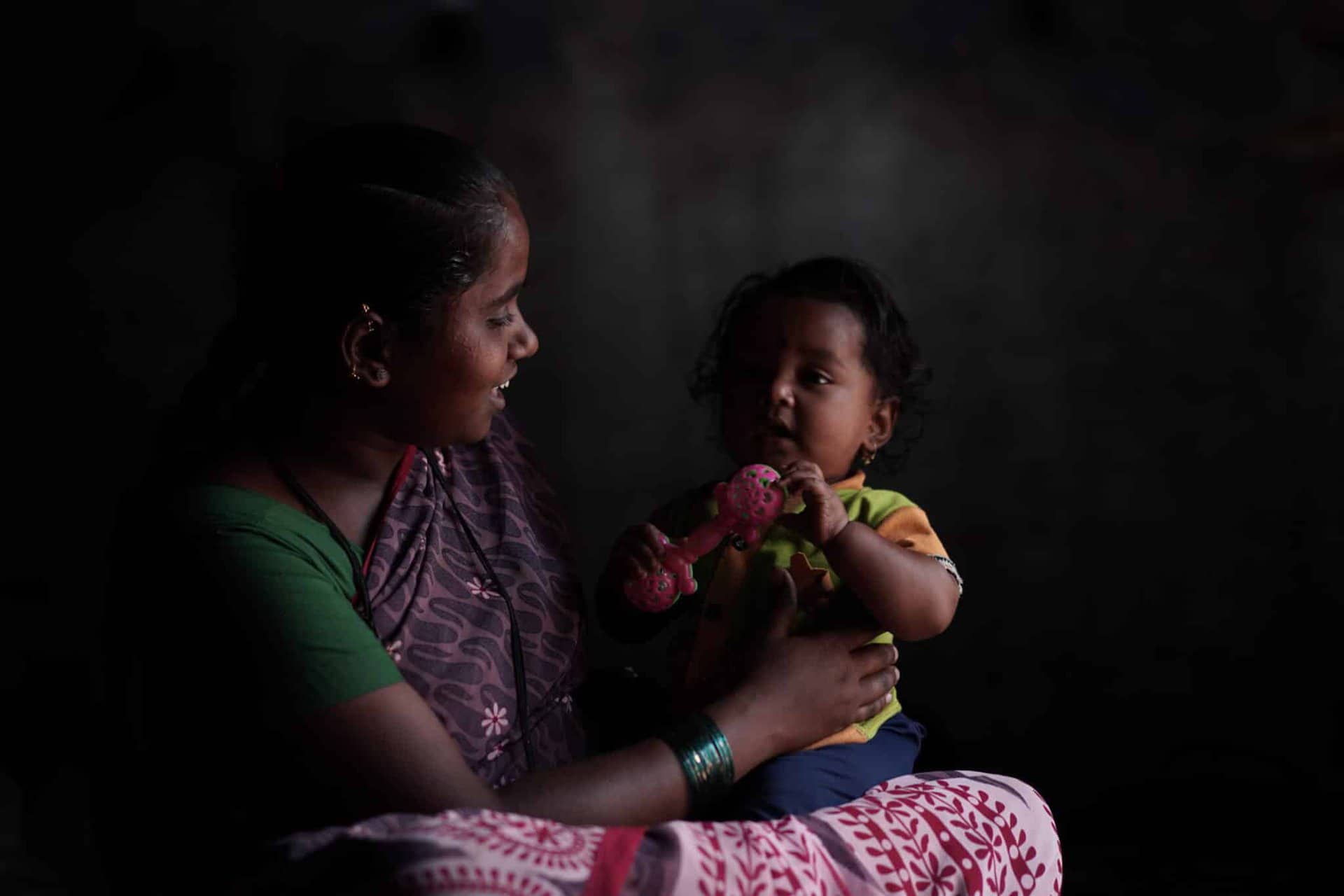
In Burkina Faso, indicators of access to and quality of post-primary education have fallen considerably as a result of insecurity. At primary level, the Gross Enrolment Rate (GER) has fallen by 8.4 points (from 86.6% in 2022-2023 to 78.2% in 2023-2024). This is mainly due to schools not being operational because of insecurity, and only 40.6% of pupils (45% of girls) have access to post-primary education. Of those who do, almost 70% (66% for girls) do not manage to complete their post-primary education. In Ziro province, the project's intervention zone, the indicators are not much better. The GER and the post-primary completion rate for girls is 37% in 2023-2024. The issue of the transition from primary to post-primary education and the maintenance and completion of schooling is a major challenge that needs to be addressed.
To support this project :
Burkina Faso |2025 À 2027|Access and quality of education - Focus on girls
Provinces of Ziro (commune of Sapouy, Cassou, Bakata)
The aim of the project
Since April 2020, Action Education has been implementing the Scolfille project, the aim of which is to help improve access, retention and completion of primary education for girls. The results of this project are convincing, It remains a challenge for girls to continue their studies after primary school and to keep them there.
An analysis of the situation shows that these difficulties are due to a number of factors, including the non-existence or absence of distance from post-primary schools in certain localities, families' concerns about the safety of girls on their way to school, The weight of socio-cultural realities, with the persistence of certain traditional practices such as kidnapping, low self-esteem among girls, gender-based violence, etc. However, a study carried out by the Ministry of Education in Burkina Faso in 2018 on the best actions to support girls' enrolment shows that providing girls with means of transport was an effective basic measure for retention and success at school.
The project aims to address these issues and contribute to the transition of 100 girls from primary to post-primary education and to the access and retention of 400 girls in post-primary education.

People supported
Key figures
-
400 post-primary girls
-
88 teachers
-
15 primary schools
-
8 post-primary schools
-
23 community and religious leaders
post-primary girls
teachers
Our partners
Orange Foundation .
Find out about all the other projects carried out by Action Education in Burkina Faso in our latest Activity Report
All our projects on the same theme
Parivartan Path - Health and education for migrant children in India
Parivartan Path - Health and education for migrant children in India

iLEAD in India - Employability and entrepreneurship training for vulnerable young people
The context There are 230 million unemployed people in India, many of them young people excluded from the labour market....

Education of Vulnerable and Marginalised Populations living in precarious housing in France
Action Education aims to improve educational provision for families who are furthest from school, particularly those living in precarious housing, by setting up collective initiatives.
FORCE - Facilitating Opportunities and Resources for Children's Education - in Laos
This project aims to use an integrated approach to improve school readiness, children's health and the development of pre-school and primary school children.

Aakriti: Transforming children's lives through quality pre-school and primary education in India
Ensuring quality education in a supportive and child-friendly environment in two blocks of Bihar, India

Gender equality through vocational training and entrepreneurship (EGFPE) in Laos and Vietnam
Action Education promotes gender equality by facilitating access to education and socio-economic integration for disadvantaged girls and women, and by questioning social norms from an intersectional perspective and deconstructing relationships of power and domination.

Consortium for Climate Change Education in Cambodia (CO-SEED4P)
The aim of this project is to encourage the changes in attitude and behaviour needed to move towards more sustainable development.
Empowerment of young people living in precarious housing conditions
Action Education aims to improve educational provision for families who are furthest from school, particularly those living in precarious housing, by setting up collective initiatives.
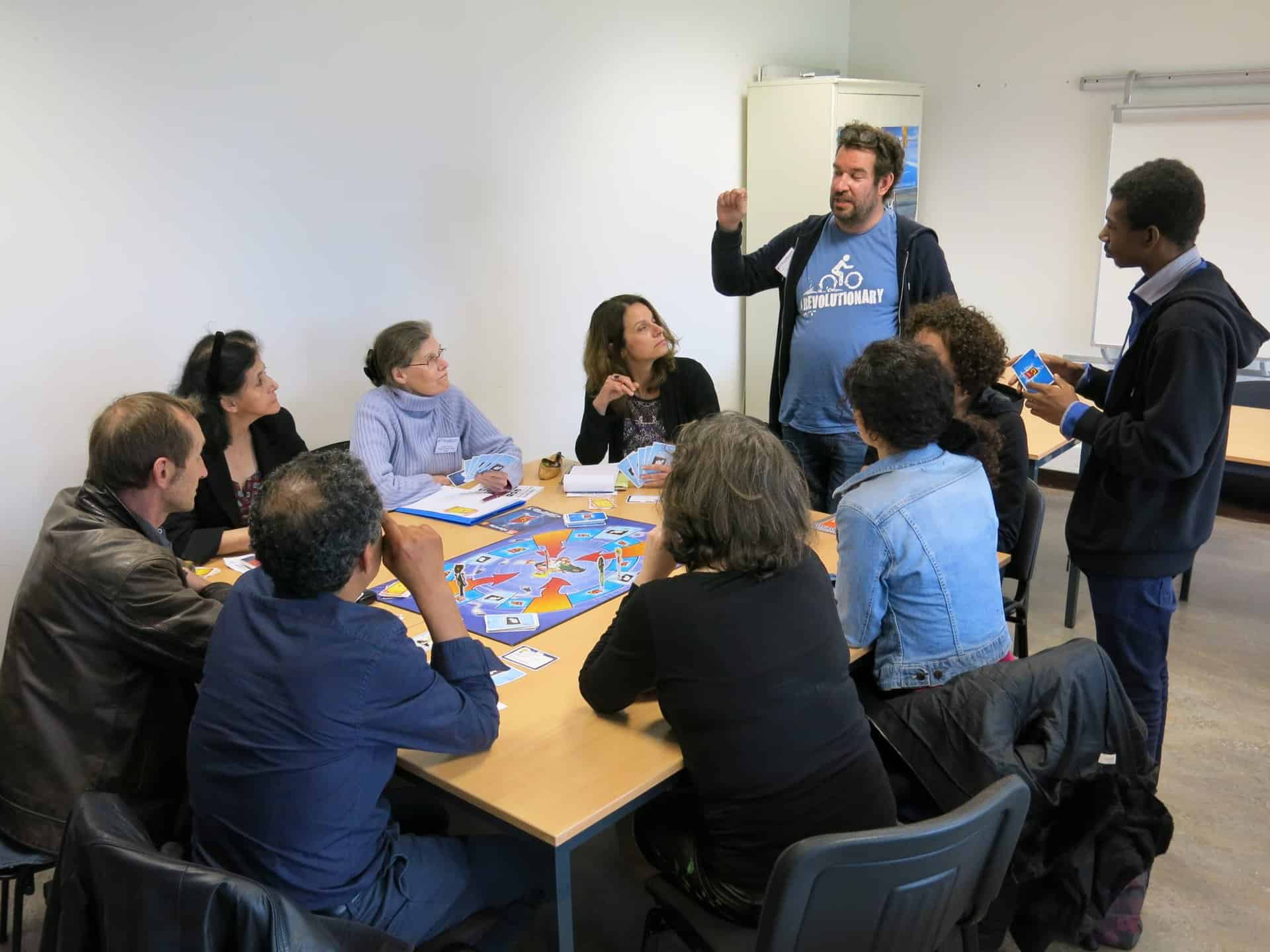
Educational coherence in the Val-d'Oise
Action Education brings together the educational players in the Val d'Oise department for study days to reflect together on educational issues.
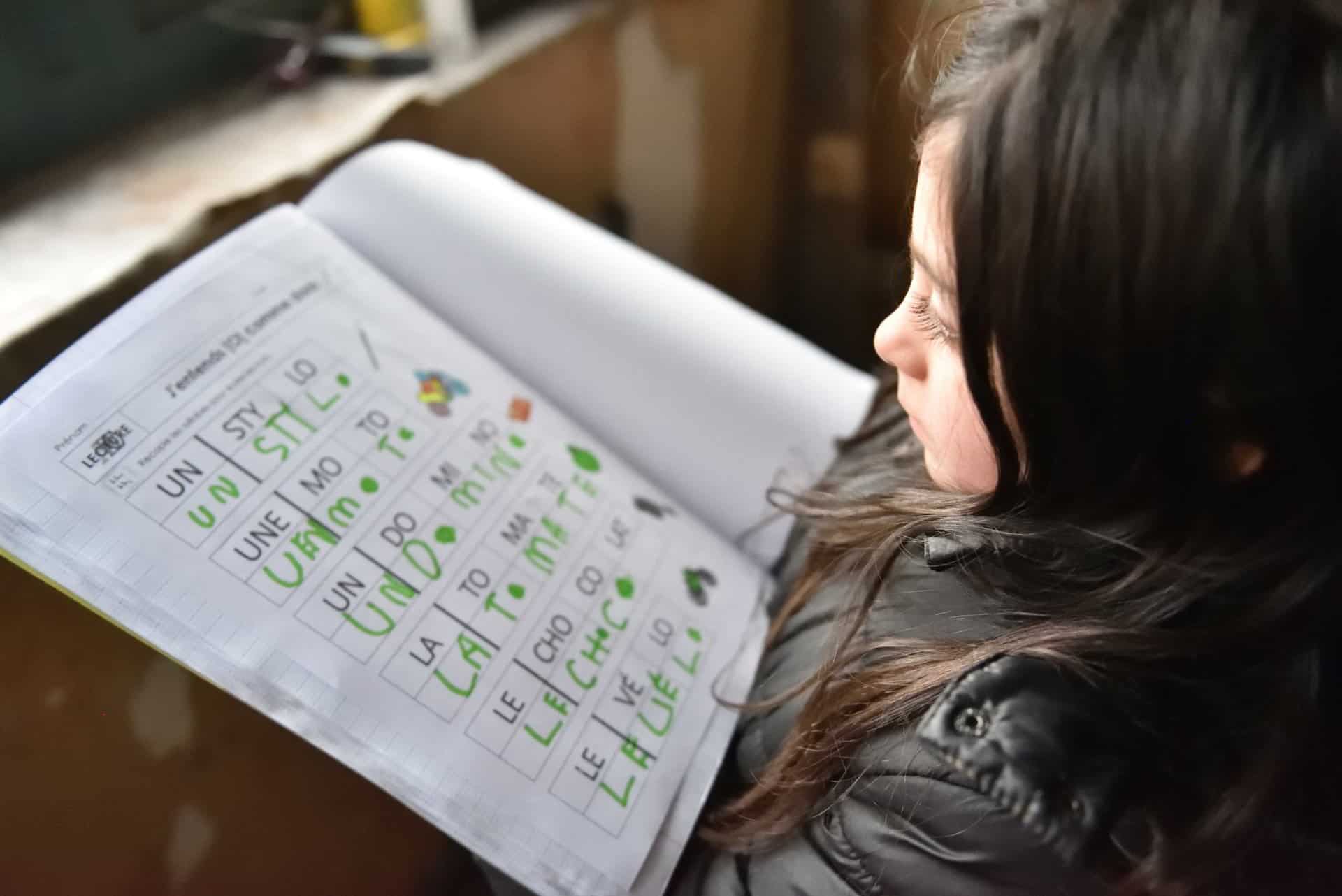
Educational issues and stakeholder dynamics surrounding the schooling of children living in precarious housing in Val-de-Marne
Action Education is involved in the Val-de-Marne region, where the challenges of educating children in precarious housing situations are significant.
Our news on the same theme
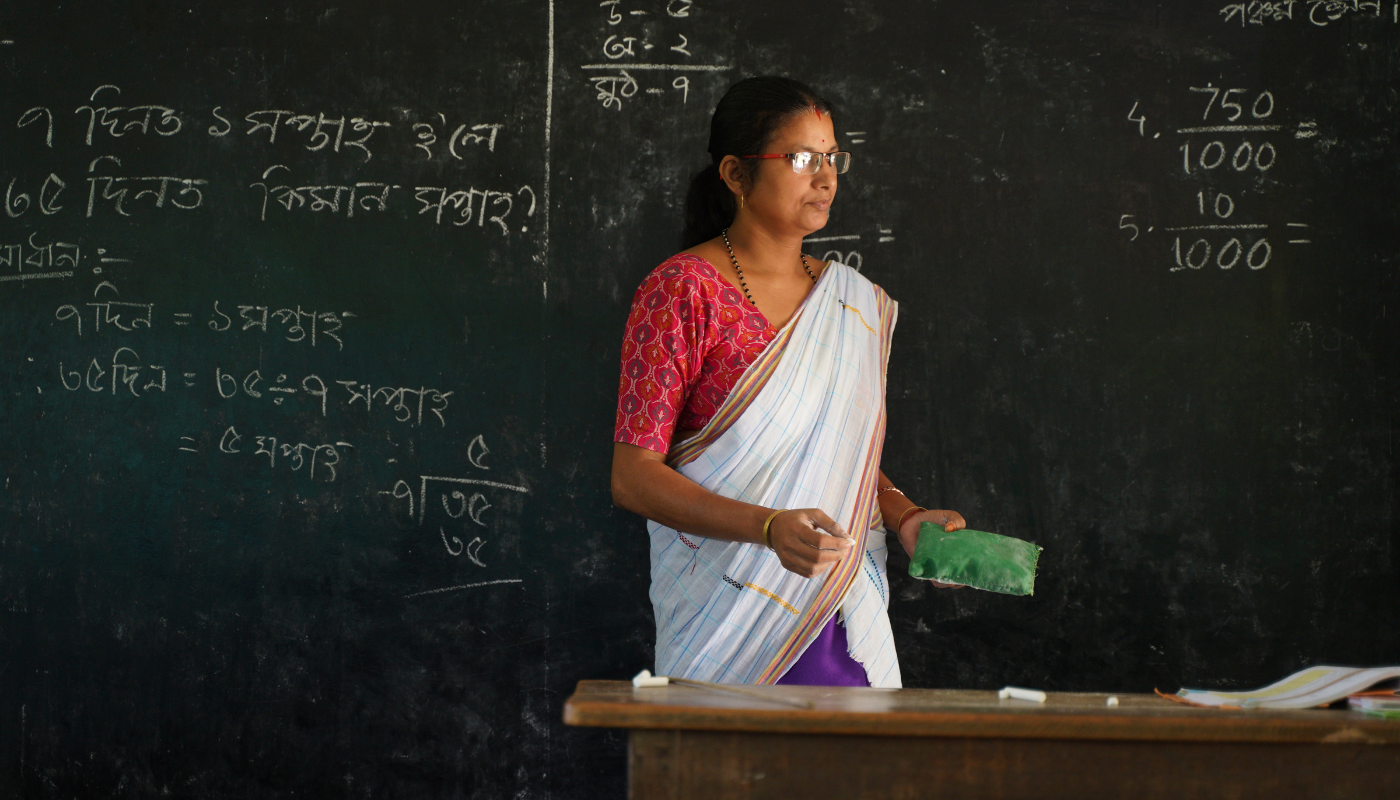
Teachers: defending the right to education means, first and foremost, investing in those who bring it to life
Deteriorating infrastructure, a lack of equipment, teachers not being replaced, regional inequalities… The protests in French secondary schools highlight a fundamental reality: the quality of education also depends on the conditions in which pupils and...
Action Education unveils its new campaign: “Action Education is shaping a different future”
Born out of a collaboration with the agency 3e Étage, Action Education’s new creative and socially conscious communication campaign refocuses its message on the very essence of its work: defending the right to education for everyone. Through striking visuals and a choice of media aligned with the organisation’s values, this campaign powerfully illustrates the transformative power of education on the lives of children around the world.
Education: Action Education welcomes France’s commitment but stresses the urgent need to move beyond mere announcements
At a time when international aid is facing massive cuts, France pledged on 23 September in New York to contribute 162 million euros over five years to the Global Partnership for Education (GPE), the main fund dedicated to education. Whilst Action Education...

In the face of conflicts and crises, access to education must be safeguarded!
With attacks on schools rising dramatically by 44 % worldwide, access to education is under serious threat for millions of children. To mark the International Day for the Protection of Education...

Everyone to school: 46,000 children supported on their path to long-term education in Benin and Togo
In the Borgou department of Benin and the Savanes region of Togo, school exclusion is worsening under the combined pressure of poverty and cross-border security tensions. To address this educational emergency, Action Education is launching the...

International Humanitarian Day: why education is our greatest ally in the face of global crises
From the wildfires in Gironde to the humanitarian crises affecting the world, the same spirit of solidarity should prevail. To mark International Humanitarian Aid Day on 19 August, Action Education is calling for a sustainable investment in...

In Cambodia, schools are embracing indigenous languages: a pioneering model for inclusive education worldwide
To mark the International Day of the World’s Indigenous Peoples, celebrated on 9 August, Action Education reaffirms its commitment to equitable and inclusive access to quality education. In Cambodia, a historic breakthrough illustrates the transformative power of learning in one’s mother tongue.

India: Ten years of commitment to the education of the most marginalised girls
Led by Action Education in India, the ENLIGHT project has transformed the lives of more than 2,400 girls from the most marginalised communities in 13 major cities. What they all had in common was growing up in circumstances where access to education seemed out of...

«Education is an emergency - Let's take action! An exhibition to get things moving!
To mark International Education Day on 24 January, we invite you to discover our new exhibition «Education is an emergency. Let's take action!»

Climate change and the environment: why education is essential
Between record heatwaves, fires and torrential rain, the increase in extreme weather events confirms the global environmental emergency. Faced with the impact of climate change, Action Education is taking action on a daily basis in its countries...

