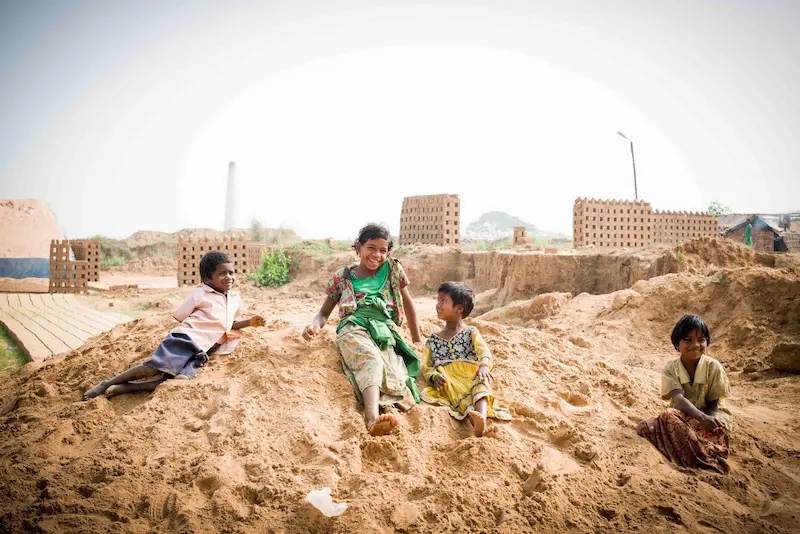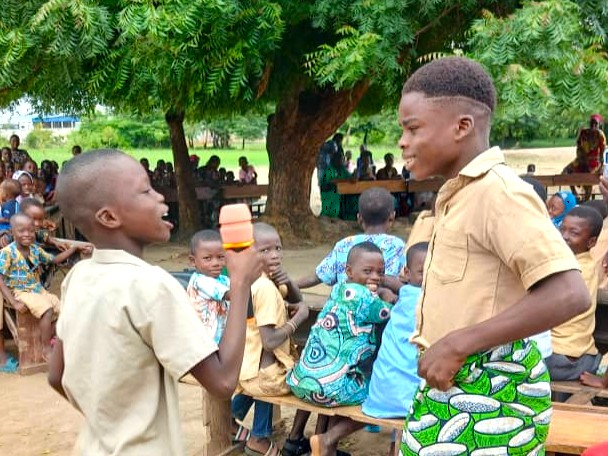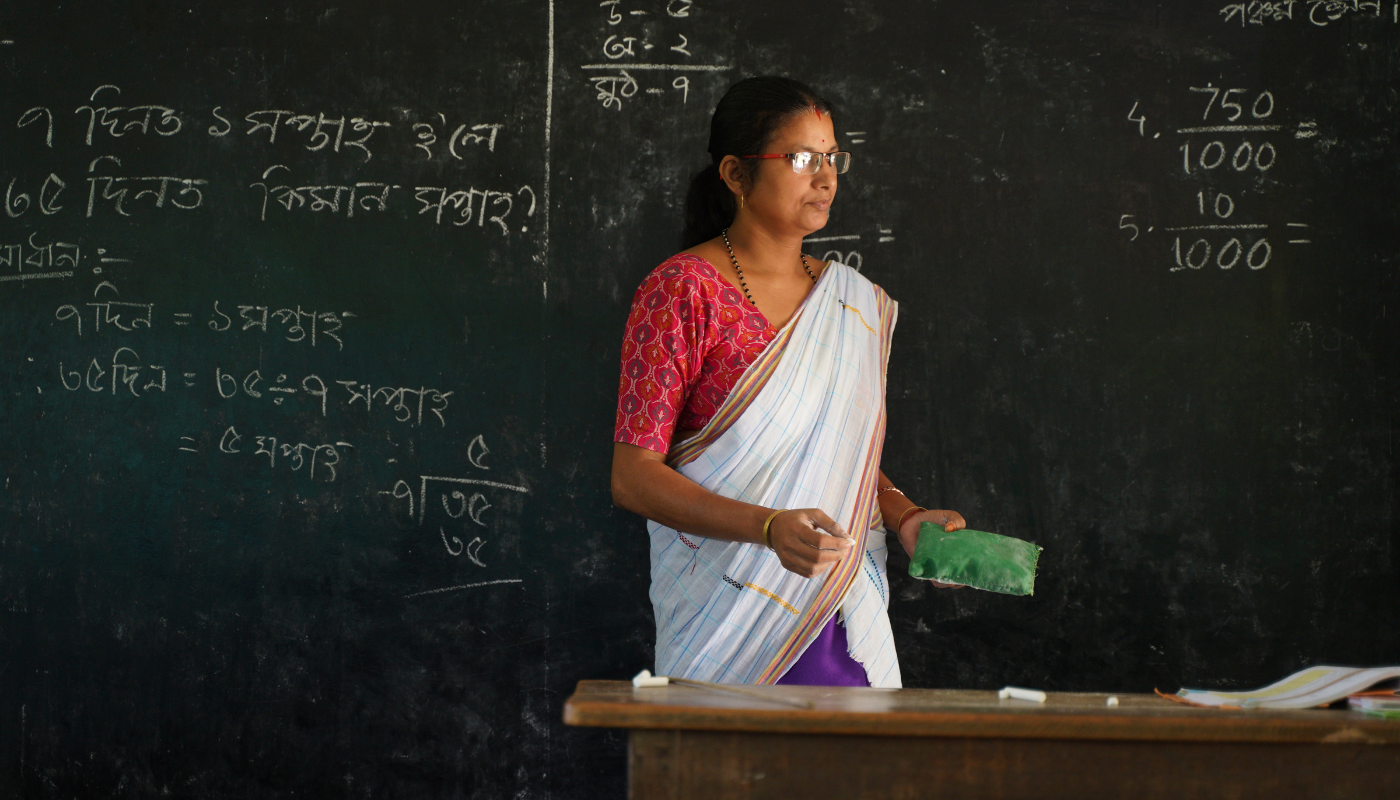
If 215 million children work today, and often want to work, it is far from being for pleasure or desire. If their parents encourage them to go to work, it is not because they have not understood the importance of education or the dangers that work represents. No, if parents put their children to work, if the children themselves offer to go and make tiles, sell objects, or work in the fields, it is because their work, their income, however meagre, depends on their survival and often that of their family.
Forbidding these families to send their children to work is not the same as guaranteeing children access to education, health and fulfilment. Quite the contrary. Decapitalised, parents do not have the means to send their children to school, but without the additional income that the younger children bring in, they also do not have the capacity to feed and clothe them, and ensure their survival. Today, against a backdrop of economic and financial crisis, rising food prices and environmental problems, it's a safe bet that the financial situation of poor and middle-class families is likely to worsen, forcing more and more children out of school and into the world of work. Europe is not immune to this phenomenon. In Naples, Italy, thousands of children are now working as waiters, pastry cooks, shoemakers or delivery boys, paid between €5 and €10 for 8 hours' work. It is now estimated that 54,000 children in the city, including 38% under the age of 13, have dropped out of the school system to join the ranks of illegal and poorly paid work.
Faced with this reality, Aide et Action International, an association working for development through education, takes a stand and acts against exclusion, illegal work, abuse and violence against the youngest children, but accepts regulated, supervised and paid work that enables children to improve their daily lives. Aide et Action International[1] is setting up listening and learning centres wherever it can, including the very places where the children work, to break the vicious circle of poverty and give the youngest children the chance to build a different future for themselves.
[1] Through its educational projects, Aide et Action International ensures that all children receive an education and, through awareness-raising and mobilisation, strengthens health and safety in the workplace for all child and adult workers. These two objectives are recommended by the ILO in its Report on Children in Hazardous Occupations. What we know, what we need to do to combat child labour effectively.